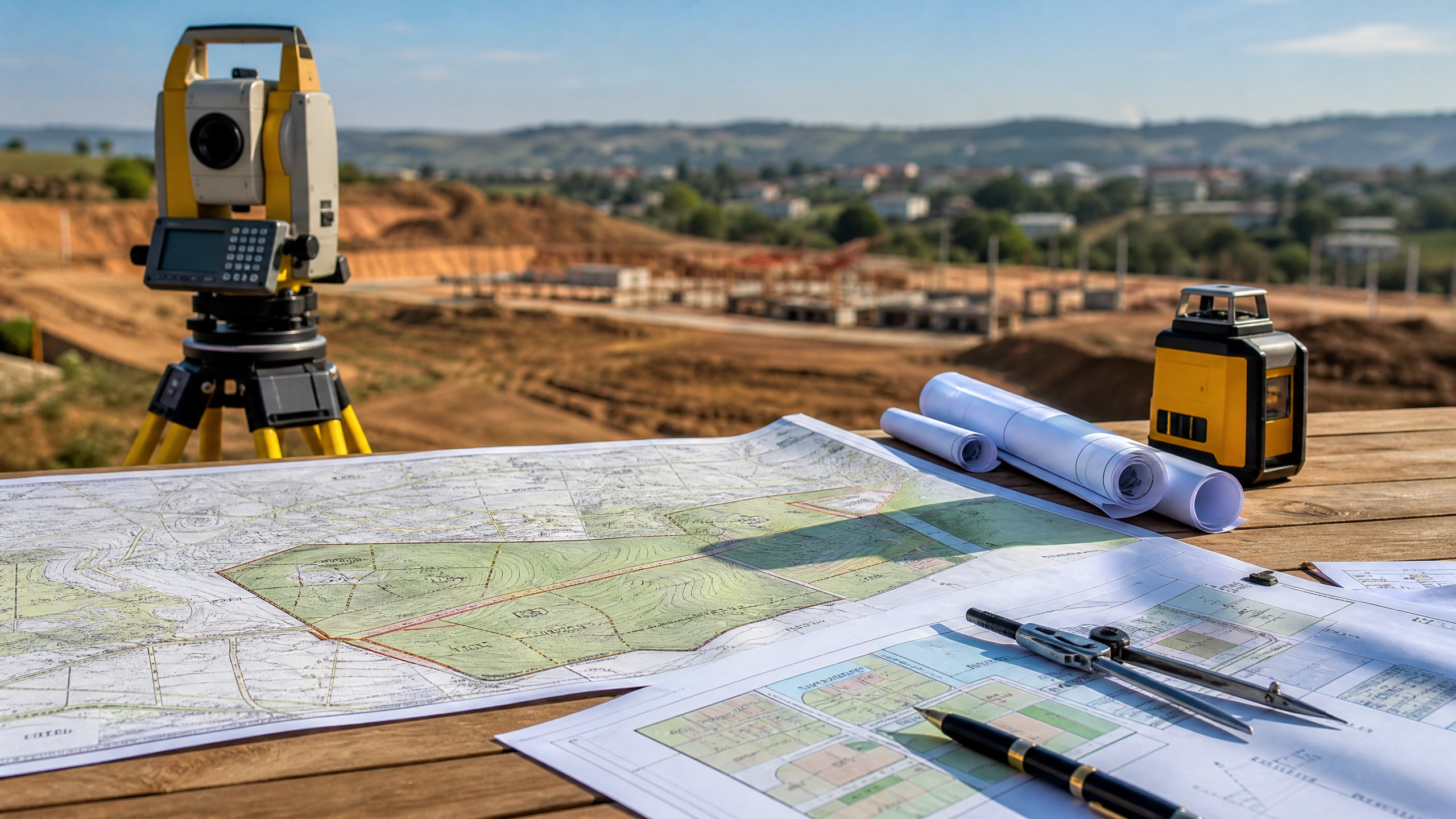
Valuing industrial facilities and manufacturing plants is a complex process that differs significantly from standard residential or commercial appraisals. The value of an industrial property is determined by far more than just its land and building footprint; clear ceiling heights, overhead crane capacities, slab load-bearing thresholds, electrical transformer capacities, environmental permits, and specialized technical infrastructure all play a direct role in establishing fair market value. This makes a thorough industrial real estate valuation process essential for investors and financial institutions.
In this comprehensive guide, we examine the primary appraisal methodologies, legal requirements, technical factors, and key criteria that influence factory and facility valuations.
When Is an Industrial Property Valuation Required?
Determining the combined value of land, buildings, fixed installations, and—in certain cases—machinery for manufacturing enterprises is typically requested for several key purposes:
-
Securing bank loans and establishing mortgage collateral.
-
Mergers and acquisitions, company buyouts, or corporate restructuring.
-
Establishing fair market prices for property purchases, sales, or lease transactions.
-
Financial reporting and balance sheet preparation under International Financial Reporting Standards (IFRS / fair value).
-
Calculating accurate insurance policy values based on reproduction/replacement costs.
-
Serving as expert testimony in legal disputes, tax appeals, or compulsory land acquisitions
Değerlemede Kullanılan Temel Yaklaşımlar
Under International Valuation Standards (IVS), appraisers evaluate industrial properties using three primary methodologies:
1. Sales Comparison Approach
This approach compares recent sales and leasing data for similar industrial land, factories, or logistics warehouses. Data gathered from industrial zone authorities and market research is adjusted to reflect differences in location, transport access, zoning status, and technical infrastructure.
2. Cost Approach
The cost approach is one of the most frequently utilized methods for industrial buildings. The land value is determined through sales comparison, while the current replacement cost of the building is calculated. Deductions are then made for physical depreciation based on age, functional obsolescence caused by outdated design features, and economic obsolescence driven by external market factors.
3. Income Approach
Primarily used for income-generating industrial assets such as leased logistics centers or warehouses. The property’s net operating income is estimated using market rental rates and converted to present value through capitalization rates or Discounted Cash Flow (DCF) models.
Technical, Environmental, and Legal Factors Impacting Value
Beyond physical square footage, legal compliance and environmental documentation directly influence property value:
-
Structural and Infrastructure Features: Column spacing, clear height, heavy floor load capacity, overhead crane tonnage, power transformer capacity, gas/steam connections, and waste treatment plants directly enhance asset utility and value.
-
Zoning and Occupancy Permits: Valid building permits and official occupancy certificates (iskan) are required. Unpermitted or illegal structural additions are flagged as risk factors in valuation reports.
-
Environmental and Operational Licenses: Business opening and operating licenses alongside Environmental Impact Assessment (EIA) decisions are thoroughly reviewed. Obtaining favorable EIA status or official exemptions is critical for legal risk reporting.
-
Building Regulations and Seismic Compliance: Structural integrity and alignment with applicable building and earthquake codes are evaluated as part of the overall risk assessment.
Overview of the Valuation Process
An industrial valuation project progresses through structured stages from preparation to final delivery:
| Stage | Key Actions Taken |
|---|---|
| 1. Preparation | Clarifying the purpose of appraisal, defining the scope, and signing the engagement letter. |
| 2. Document Collection | Gathering title deeds, zoning status, building permits, occupancy certificates, and EIA approvals. |
| 3. Site Inspection | On-site property inspection, physical measurements, photography, and technical evaluation. |
| 4. Market Analysis | Researching comparable sales, asking prices, and rental rates within the relevant industrial zone. |
| 5. Reporting & Quality Control | Consolidating calculations, undergoing peer review by a senior valuer, and delivering the official report. |
Valuing industrial property requires a multidisciplinary approach combining real estate knowledge with engineering and legal expertise. Reports prepared by licensed appraisers ensure that your capital investments and financial decisions remain fully protected and legally compliant.