Land investment is one of the most important real estate investment tools offering high-profit potential in the long run. However, determining the true value of a plot is not possible merely by looking at its location. Many factors such as zoning status, infrastructure facilities, transportation networks, intended use, and regional development directly affect land prices.
Therefore, conducting the land valuation process professionally is of great importance for both investors and property owners. So, how to calculate land value accurately? Why is zoning status so critical, and what factors are included in the criteria list? Here are all the details you need to know about the land valuation process.
What is Land Valuation?
First of all, land valuation is the process of determining the true value of a real estate property under current market conditions using objective and scientific methods. During the appraisal study, experts do not merely look at the square meter size of the land. In addition, the legal status, zoning rights, future usage potential, and environmental factors are analyzed in detail.
A professionally prepared valuation report serves as a highly reliable reference. It is used in investment decisions, buying and selling transactions, bank loan processes, inheritance sharing, and expropriation cases.
How Does Zoning Status Affect Land Value?
Undoubtedly, zoning status is one of the most important elements determining the price of a plot. This is because the zoning plan determines how the land can be legally used and what type of structures can be built on it. Even if they are located side by side in the same region, the values of plots with different zoning plans are quite different. These zoning types include:
-
Residential zoned areas
-
Commercial zoned plots
-
Mixed-use areas
-
Industrial or storage zoned lands
-
Tourism zoned properties
Furthermore, official changes made to the zoning plan can affect land prices tremendously. For example, opening a field-status property to zoning or expanding the existing construction conditions (like the Floor Area Ratio) significantly multiplies the investment value.
How Does the Valuation Process Work?
If you are wondering how to calculate land value, you must understand that a professional appraisal consists of specific and meticulous stages.
1. Title Deed and Legal Inspection
First, the title deed records of the property are examined. During this stage, legal restrictions such as parcel details, block numbers, ownership status, annotations on the title deed, mortgages, and easements are checked.
2. Zoning Status Analysis
Then, the valuation expert obtains current zoning information from the relevant municipality or official institutions. In this analysis, details like the Floor Area Ratio (FAR), Lot Coverage Ratio, floor height, setback distances, and usage functions are evaluated extensively.
3. Site Inspection
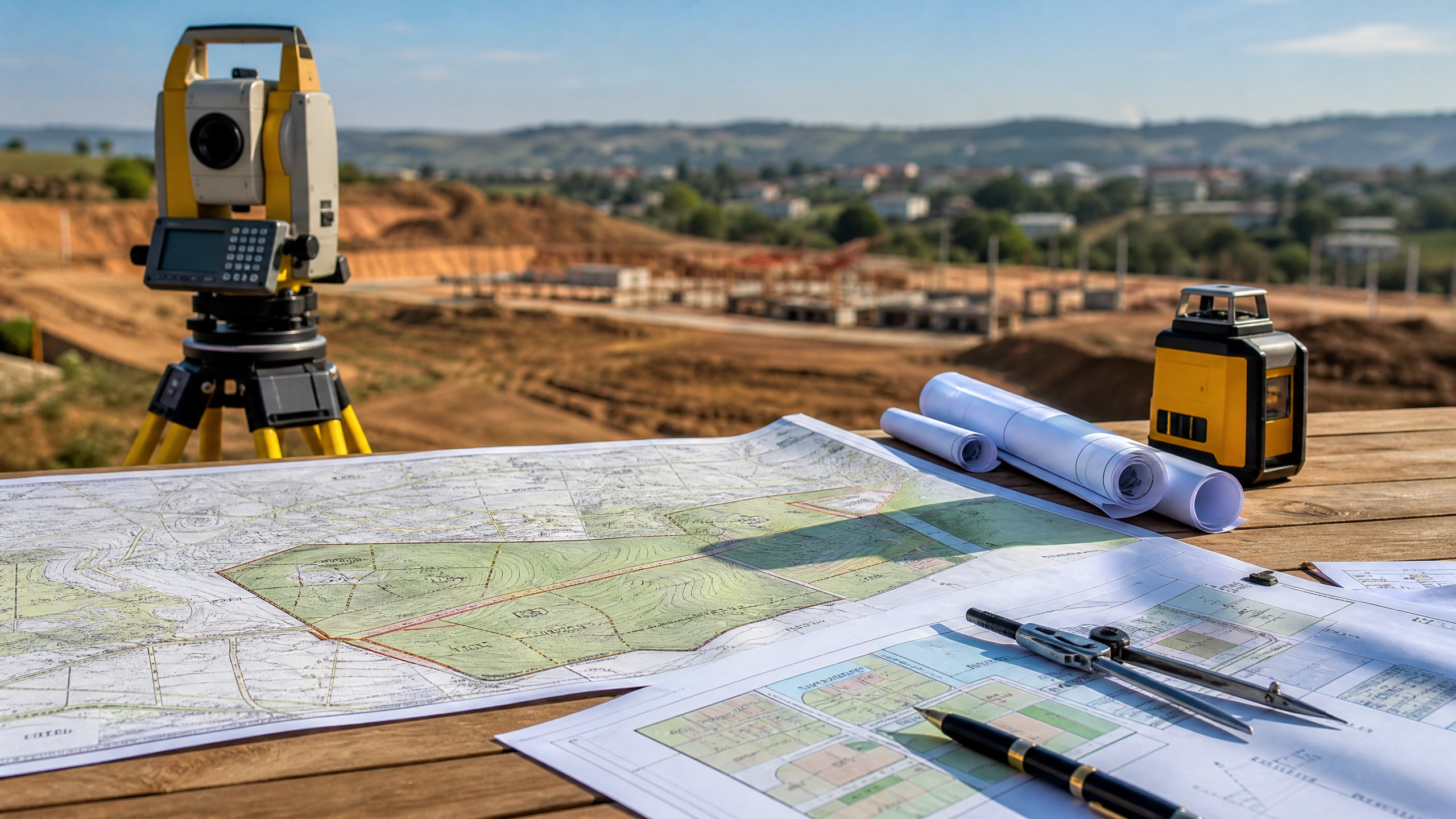
The expert visits the land in person to note its physical features. The surface area, geometric shape, slope status, road frontage, ground structure, and view are determined during this stage.
4. Regional Analysis
The general development potential of the region plays a key role in the valuation process. Investments such as new transportation projects, subway lines, organized industrial zones, hospitals, and trade centers positively affect the appraisal.
5. Precedent Comparison
Finally, the valuation expert analyzes similar plots that have been recently sold or are currently on sale in the same region. Thanks to this method, the prepared report is based on highly objective data reflecting current market conditions.
What Are the Key Criteria for Land Valuation?
In professional studies, many different criteria are melted in the same pot. For an accurate price analysis, the main topics that stand out include:
-
Location: Proximity to the city center, transportation networks, and development axes directly affect the price.
-
Zoning Function: Whether the land is in a residential, commercial, industrial, or tourism area is the main factor determining its investment potential.
-
FAR (Floor Area Ratio): This shows the total construction area that can be built on the land. As this right increases, the economic value of the land rises directly.
-
Lot Coverage Ratio: This determines the maximum footprint the building can cover on the ground.
-
Road Frontage: Especially for commercial uses, facing a main street or a wide road provides a massive advantage.
-
Infrastructure Status: Having electricity, water, natural gas, and sewage infrastructure ready lowers investment costs and increases the land’s value.
Other Factors Affecting Land Prices
Of course, there are other elements besides zoning status and location that change the price. Some of these are:
-
The land being a corner plot
-
The parcel having a smooth geometric structure (square, rectangle)
-
The view and sunlight exposure
-
The construction density in neighboring parcels
-
Whether the ownership has a shared or independent title deed
-
The general supply-demand balance and interest rates in the region
When all these factors are evaluated together, the true market value of the real estate can be determined much more accurately.
Why is Professional Land Valuation Important?
An incorrectly priced plot can lead to serious losses for both the seller and the potential investor. A plot sold below its true value causes financial damage, while lands priced above market value remain unsold for a long time.
By getting a professional valuation service, you can learn the real market value, identify legal risks in advance, clarify your zoning rights, and manage your trading processes safely.
Conclusion
In summary, focusing solely on the location is not enough to make an accurate decision in land investments. During the appraisal process, the infrastructure status, transportation facilities, regional development, and legal structure must be examined as a whole.
Professional analyses clarify the current value of the investment while revealing its future potential. If you are planning to buy, sell, or invest and want to know exactly how to calculate land value, working with an expert valuation team will help you build your investment on the most solid data.